 Business License

The Science of Borosilicate Glass Food Containers: Why Thermal Shock Resistance is Key for B2B Procu
(Key Takeaways)
•Borosilicate vs. Soda-Lime: Borosilicate glass offers superior thermal shock resistance and chemical stability compared to traditional soda-lime glass, making it ideal for food storage and cooking applications.
•Thermal Shock Resistance is Non-Negotiable: For B2B buyers, understanding and verifying a product's thermal shock resistance (often measured by ASTM C149) is crucial to prevent breakage, ensure user safety, and protect brand reputation.
•Safety & Compliance: High-quality borosilicate glass food containers must meet stringent international food contact safety standards, including FDA (US) and LFGB (EU), ensuring they are non-toxic and inert.
•Sustainability Driver: The global shift towards sustainable and plastic-free packaging is fueling demand for durable, reusable glass food containers, with borosilicate leading the premium segment.
•KINGSTAR GLASSWARE's Commitment: Partnering with manufacturers like KINGSTAR GLASSWARE ensures access to expertly crafted borosilicate glass food containers that meet the highest standards of safety, durability, and performance.
In the dynamic world of food storage and kitchenware, the choice of material is paramount, especially for B2B buyers catering to discerning consumers who prioritize safety, durability, and sustainability. While glass has long been a preferred option for its inertness and aesthetic appeal, not all glass is created equal. The distinction between ordinary soda-lime glass and advanced borosilicate glass is particularly critical, especially when considering applications that involve rapid temperature changes – a common scenario in modern kitchens, from freezer to oven, or microwave to dishwasher. For B2B procurement, understanding the science behind thermal shock resistance in glass food containers is not just a technical detail; it's a decisive factor influencing product safety, brand reputation, and long-term customer satisfaction.
This comprehensive guide delves into the scientific principles that make borosilicate glass the superior choice for food containers, explores the critical importance of thermal shock resistance, and outlines the key considerations for B2B buyers navigating this essential product category.
1. The Fundamental Difference: Borosilicate vs. Soda-Lime Glass
At its core, glass is an amorphous solid, primarily composed of silica. However, the addition of other oxides fundamentally alters its properties. The two main types of glass used in kitchenware are soda-lime glass and borosilicate glass, each with distinct characteristics [1].
•Soda-Lime Glass: This is the most common type of glass, used for windows, bottles, and many everyday items. It's composed primarily of silica (SiO₂), soda (sodium carbonate, Na₂CO₃), and lime (calcium oxide, CaO). While inexpensive and easy to melt and form, its relatively high coefficient of thermal expansion (CTE) makes it susceptible to thermal shock. A sudden change in temperature causes uneven expansion or contraction, leading to internal stresses that can result in cracking or shattering.
•Borosilicate Glass: Developed in the late 19th century by Otto Schott, borosilicate glass incorporates boron trioxide (B₂O₃) into its composition, alongside silica. This addition significantly lowers the glass's CTE, making it far more resistant to thermal stress. Its composition typically includes 70-80% silica, 7-13% boron trioxide, 4-8% sodium and potassium oxide, and 2-7% aluminum oxide [2]. This unique chemical makeup is the secret to its exceptional durability and versatility, particularly in high-temperature environments.
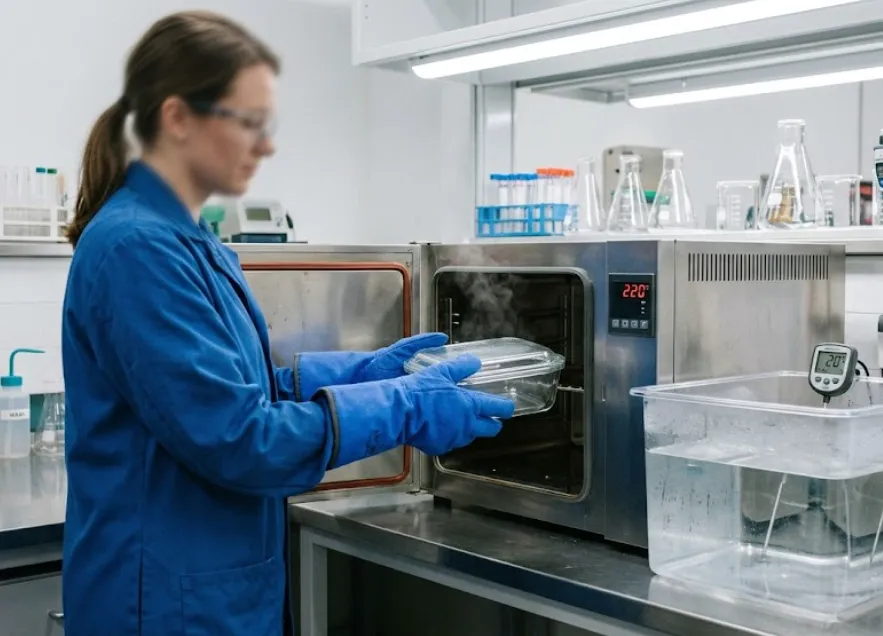
2. The Criticality of Thermal Shock Resistance for Food Containers
Thermal shock resistance refers to a material's ability to withstand rapid changes in temperature without cracking or breaking. For glass food containers, this property is paramount, directly impacting user safety and product longevity. Consider the typical use cases:
•Freezer to Oven/Microwave: Consumers frequently transfer leftovers directly from the freezer or refrigerator to an oven or microwave for reheating. Soda-lime glass often cannot endure such abrupt temperature shifts, leading to dangerous shattering.
•Hot Food Storage: Pouring hot soup or freshly cooked food directly into a container that was at room temperature.
•Dishwasher Cycles: Exposure to high temperatures during washing, followed by cooling.
Borosilicate glass excels in these scenarios due to its low CTE. While soda-lime glass typically has a CTE of around 9.0 x 10⁻⁶/K, borosilicate glass boasts a significantly lower CTE of approximately 3.3 x 10⁻⁶/K [3]. This means it expands and contracts much less when heated or cooled, drastically reducing internal stresses and the risk of thermal shock breakage. High-quality borosilicate glass can typically withstand temperature differentials (ΔT) of 120°C to 150°C, whereas soda-lime glass often fails at ΔT values above 40°C to 60°C [4].
For B2B buyers, this translates directly into:
•Enhanced Safety: Minimizing the risk of product failure and potential injury to end-users.
•Increased Durability: Extending the product lifespan, leading to greater customer satisfaction and fewer returns.
•Brand Reputation: Protecting your brand from negative reviews and safety concerns associated with inferior products.
3. International Standards and Certifications: Ensuring Safety and Quality
For any food contact material, adherence to international safety standards is non-negotiable. B2B buyers must ensure their borosilicate glass food containers comply with relevant regulations to guarantee product safety and market access.
•ASTM Standards: The American Society for Testing and Materials (ASTM) provides standards relevant to glass. While ASTM E438 specifically addresses glasses in laboratory apparatus, it categorizes borosilicate glass (Type I, Class A and B) for its low expansion properties, which are directly applicable to its use in thermal-resistant consumer products. ASTM C149-14(2020) defines test methods to measure thermal shock resistance in glass containers, providing a benchmark for performance [5].
•Food Contact Certifications:
•FDA (U.S. Food and Drug Administration): Products intended for the US market must meet FDA regulations for food contact materials, ensuring they do not leach harmful substances into food.
•LFGB (German Food and Feed Code): This is a comprehensive European standard, often considered one of the strictest globally, covering the safety of food contact materials. Compliance with LFGB often ensures acceptance across the EU [6].
•ISO 9001: While not specific to glass composition, ISO 9001 certification for a manufacturer indicates a robust quality management system, ensuring consistent production processes and product quality [7].
B2B buyers should always request and verify these certifications from their suppliers. A manufacturer that transparently provides these documents demonstrates a commitment to quality and safety, reducing your risk of importing non-compliant products.
4. The Manufacturing Process: Precision in Production
The inherent properties of borosilicate glass are only fully realized through a precise manufacturing process. Key stages that impact the final product's quality and thermal shock resistance include:
•Raw Material Purity: The quality of silica, boron trioxide, and other raw materials directly influences the final glass composition and its properties. Impurities can introduce weaknesses.
•Melting and Forming: Borosilicate glass has a higher melting point than soda-lime glass, requiring specialized furnaces and precise temperature control during forming (e.g., pressing or blowing into molds).
•Annealing: This is a critical step where the newly formed glass is slowly cooled in a controlled manner. Proper annealing eliminates internal stresses that develop during rapid cooling, which could otherwise lead to spontaneous breakage, even in borosilicate glass. A well-annealed product will have significantly enhanced durability and thermal shock resistance.
•Quality Control: Throughout the process, rigorous quality checks are essential, including dimensional accuracy, visual inspection for defects (bubbles, stones, cords), and destructive testing for thermal shock resistance and impact strength.
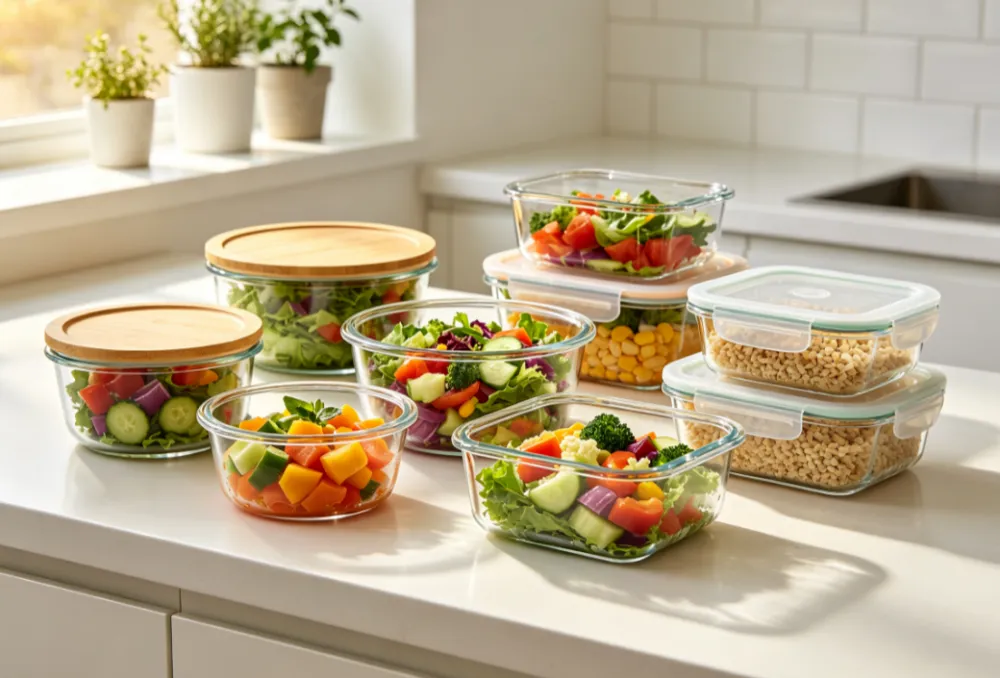
5. Market Trends 2026: Sustainability and Premiumization
The global market for food storage containers is undergoing a significant transformation, driven by evolving consumer preferences and environmental concerns. For B2B buyers, understanding these trends is key to stocking products that resonate with modern demands.
•Sustainability as a Core Driver: Consumers are increasingly seeking eco-friendly alternatives to plastic. Glass, being infinitely recyclable and free from harmful chemicals (like BPA), is a natural fit. The glass container market is projected for steady growth, driven by these sustainability trends [8].
•Health and Wellness: A growing awareness of health implications associated with plastic leaching has boosted demand for inert glass containers, especially for meal prep and baby food storage.
•Premiumization: Borosilicate glass, with its superior performance and elegant appearance, is positioned as a premium offering. Brands are leveraging its clarity, durability, and safety features to appeal to higher-end segments of the market.
•Lightweighting Technology: While glass is inherently heavier than plastic, advancements in lightweighting technology are allowing manufacturers to produce thinner, yet equally strong, glass containers. This reduces freight costs and material usage, aligning with both economic and environmental goals [9].
6. Strategic Sourcing for B2B Buyers: Partnering for Success
For B2B buyers, sourcing borosilicate glass food containers requires a strategic approach that prioritizes quality, compliance, and a reliable supply chain. Here are key considerations:
•Supplier Expertise: Partner with manufacturers who have proven expertise in borosilicate glass production, not just general glassware. Inquire about their specific annealing processes and QC protocols for thermal shock testing.
•Customization Capabilities: If you require unique designs, ask about their mold development capabilities and minimum order quantities (MOQs) for custom products.
•Packaging Solutions: Given the fragility of glass, evaluate their packaging solutions. Robust, export-grade packaging is crucial to minimize breakage during international transit.
•Transparent Communication: A reliable supplier will offer transparent communication regarding production schedules, quality reports, and any potential challenges.
Choosing the right borosilicate glass food containers is a strategic decision that impacts product performance, consumer safety, and brand integrity. By prioritizing thermal shock resistance, verifying international certifications, and partnering with manufacturers committed to precision and quality, B2B buyers can confidently meet market demands and build lasting customer trust.
At KINGSTAR GLASSWARE, we specialize in manufacturing high-quality borosilicate glass food containers that exceed international standards for thermal shock resistance, chemical stability, and food safety. Our advanced production facilities, stringent quality control, and commitment to innovation ensure that our partners receive products that are not only durable and safe but also align with the evolving demands of the global market. We are dedicated to helping B2B buyers source with confidence, providing transparent processes and reliable solutions for their diverse needs.
Ready to elevate your food storage product line with superior borosilicate glass?
Contact KINGSTAR GLASSWARE today for a consultation and discover how our expertise can safeguard your brand and satisfy your customers.
References
1.Thomasnet: Soda-Lime Glass vs. Borosilicate Glass – What's the Difference?
2.Chemscience: Borosilicate vs Soda Lime Glass
3.Slyprc: Soda-Lime vs. Borosilicate Glass: A Complete Guide to Price & Performance
4.Razab: Borosilicate vs Tempered Glass for Food Storage
5.Infinitalab: Thermal Shock Resistance Testing for Glass Containers
6.AQI Service: LFGB Certification | Food Contact Materials | LFGB Test Standard
7.Alibaba Seller Blog: ISO 9001 Certified Glassware Manufacturing: Quality Standards
8.Grand View Research: Container Glass Market Size And Share Report, 2026-2033
9.Future Market Insights: Glass Container Market Size, Share & Forecast to 2036
For more information on our products and quality standards, please visit our website at WWW.KINGSTARLIVING.COM.
Frequently Asked Questions (FAQ)
Why is thermal shock resistance so important for glass food containers?
Thermal shock resistance is crucial because it allows glass containers to withstand rapid temperature changes without breaking. This is essential for common kitchen tasks like moving food directly from the freezer to the oven or microwave, or pouring hot liquids into a cold container. Borosilicate glass, with its low coefficient of thermal expansion, significantly reduces the risk of dangerous shattering, ensuring user safety and product longevity. KINGSTAR GLASSWARE specializes in borosilicate glass known for its superior thermal shock properties.
2. What certifications should B2B buyers look for when sourcing borosilicate glass food containers?
B2B buyers should prioritize certifications that ensure food contact safety and quality management. Key certifications include FDA (U.S. Food and Drug Administration) for the American market, LFGB (German Food and Feed Code) for European markets, and ISO 9001 for a robust quality management system. These certifications confirm that the products are safe, non-toxic, and manufactured under controlled conditions. KINGSTAR GLASSWARE ensures all its borosilicate glass food containers meet these stringent international standards.
3. How does KINGSTAR GLASSWARE ensure the quality and durability of its borosilicate glass food containers?
KINGSTAR GLASSWARE ensures quality and durability through a multi-faceted approach. We use high-purity raw materials and employ precise manufacturing processes, including carefully controlled annealing, to eliminate internal stresses. Our products undergo rigorous quality control checks, including thermal shock resistance testing (e.g., to ASTM C149 standards), dimensional accuracy, and visual inspections. This commitment to excellence guarantees that our borosilicate glass food containers offer superior performance and reliability for our B2B partners.
Recently Posted
-
Glass Water Bottle Sourcing Guide: What B2B Importers Need to Know
August 27, 2026The first time a retail buyer told me she was replacing her entire water bottle range, I assumed it was about price.It wasn't. Read More
 -
Glass Oil Dispensers Are Having a Moment — What B2B Buyers Need to Know
August 26, 2026We used to think oil dispensers were boring. A bottle with a spout — what's there to get excited about?Then we started paying Read More
 -
How to Choose the Right Glass Spice Jar Supplier for Wholesale Orders
August 12, 2026The first time I watched an importer open a container of spice jars and find 15% of them cracked, I learned something that stuck w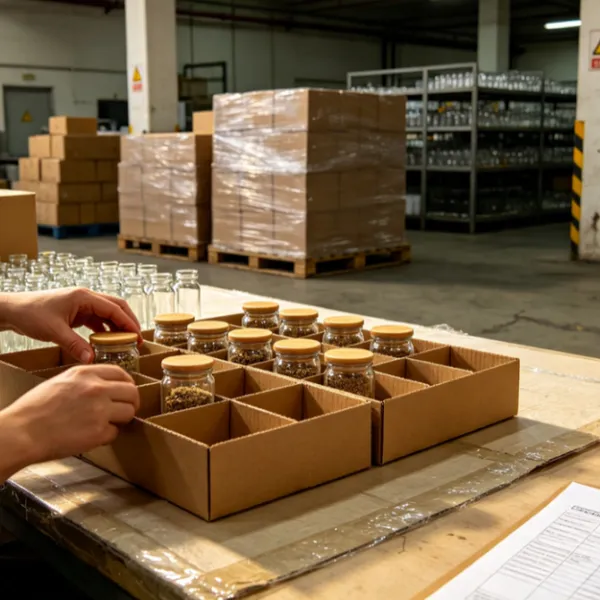 Read More
 -
Bamboo vs Metal vs Glass Lids for Wholesale Glass Jars
August 10, 2026(Key Takeaways)•Material Matters: The lid is just as important as the glass vessel itself when sourcing wholesale glass jars, dire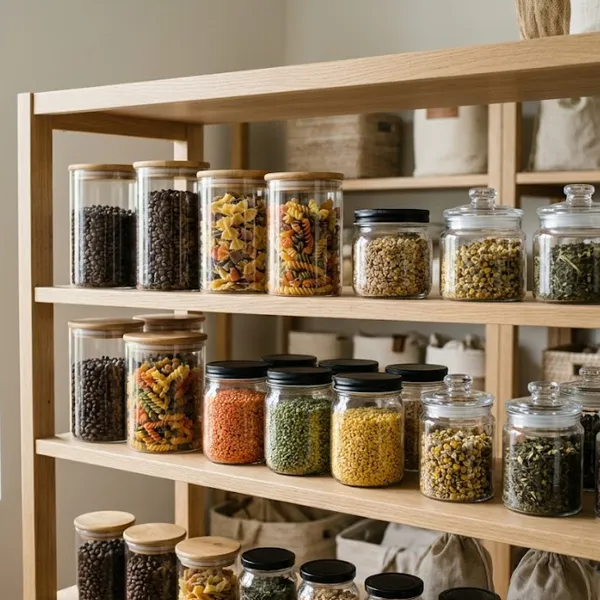 Read More

Contact Us
Recommended Products
-
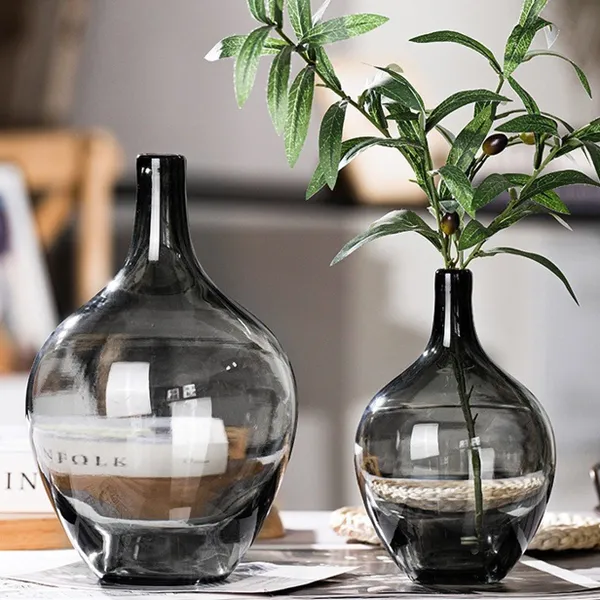
 Glass Flower Vases Wholesale – Bulk Decorative Vases for Distributors & Importers From KINGSTAR GLASSWAREUS$ 5MOQ: 1000 Pieces
 -
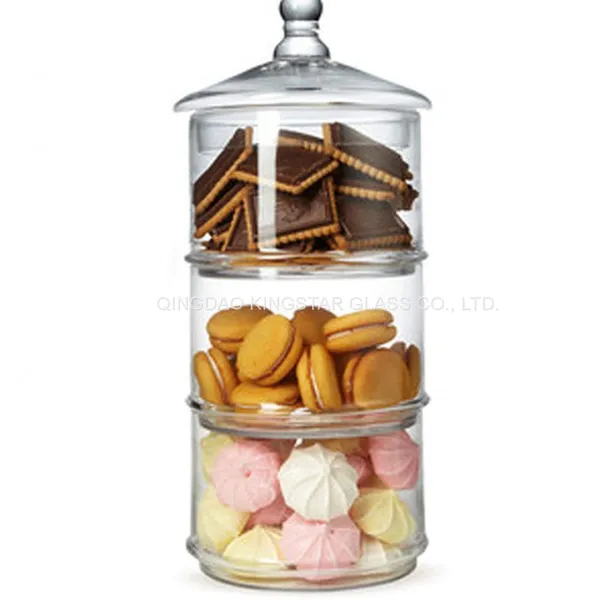
Big Glass Candy JarUS$ 0.4 - 0.8MOQ: 20000 Pieces
-
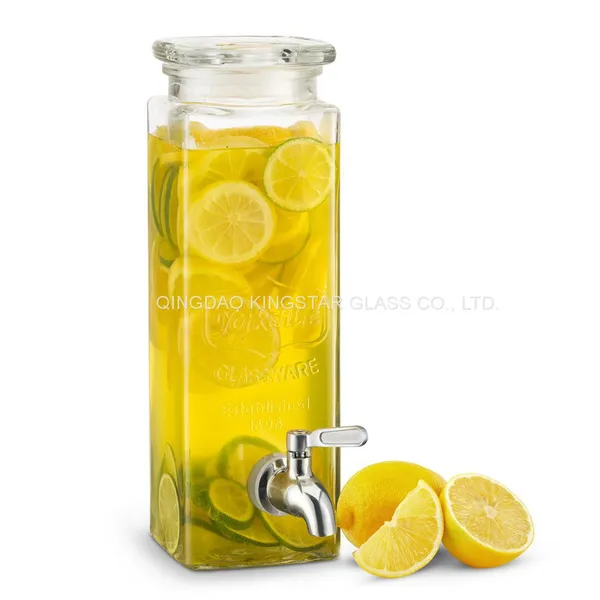
Big Glass DispenserUS$ 0.4 - 0.8MOQ: 20000 Pieces
-
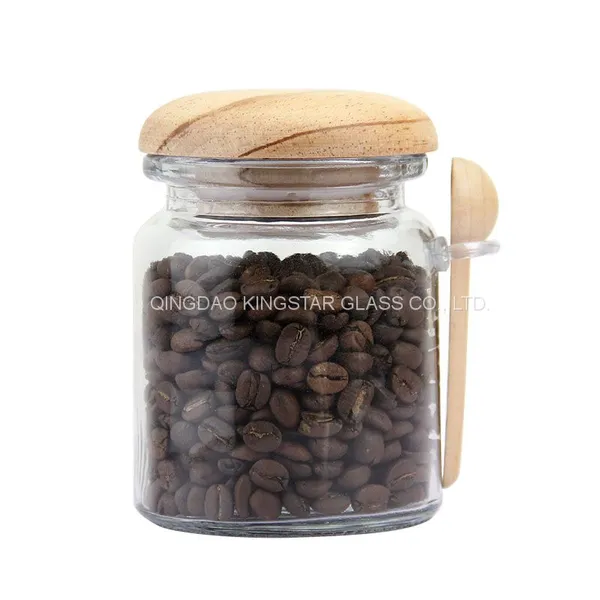
Good Glass Storage JarUS$ 0.4 - 0.8MOQ: 20000 Pieces
-
Glass Fish BowlUS$ 0.4 - 0.8MOQ: 20000 Pieces