 Business License

Bamboo vs Metal vs Glass Lids for Wholesale Glass Jars
(Key Takeaways)
•Material Matters: The lid is just as important as the glass vessel itself when sourcing wholesale glass jars, directly impacting functionality, aesthetics, and shelf life.
•Bamboo Lids Offer Eco-Appeal: Ideal for dry goods and pantry organization, bamboo lids provide a sustainable, modern aesthetic but require careful moisture management.
•Metal Lids Ensure Industrial Durability: Perfect for canning, liquids, and high-seal requirements, metal lids (tinplate or stainless steel) deliver robust performance and secure closure.
•Glass Lids Guarantee Inert Purity: Offering complete chemical neutrality and a sleek, uniform look, glass lids are top-tier choices for premium display and zero-contamination storage.
•KINGSTAR GLASSWARE's Expertise: Partnering with a versatile manufacturer like KINGSTAR GLASSWARE ensures access to diverse, high-quality jar and lid combinations tailored to your exact market needs.
When B2B buyers embark on sourcing wholesale glass jars, the focus is frequently placed on the glass vessel itself—its capacity, clarity, wall thickness, and design. However, seasoned importers and brand owners know that the lid is the unsung hero of packaging success. The lid dictates airtightness, influences shelf life, shapes consumer unboxing experiences, and plays a decisive role in whether a product succeeds on retail shelves or ecommerce platforms. With the global glass packaging market expanding steadily, driven by a consumer shift toward sustainable and non-toxic materials [1], choosing the right closure mechanism has never been more critical.
Among the myriad options available, three lid types dominate the wholesale market: bamboo, metal, and glass. Each brings a distinct set of physical properties, aesthetic advantages, and functional limitations. Evaluating these options requires a balanced look at material science, food safety compliance, and target consumer expectations.
1. Bamboo Lids: The Sustainable Aesthetic Choice
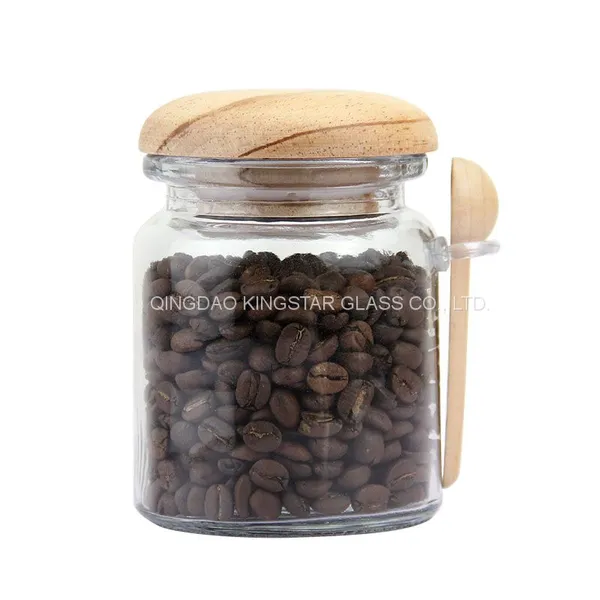
Bamboo has surged in popularity over recent years, establishing itself as the quintessential material for eco-conscious home and kitchen organization. When paired with a clear glass jar, a bamboo lid instantly communicates a clean, minimalist, and natural lifestyle brand identity.
•Environmental Appeal: As a fast-growing, renewable resource, bamboo aligns perfectly with modern corporate sustainability goals and eco-friendly consumer preferences [2].
•Aesthetic Versatility: The warm, organic wood grain of bamboo contrasts beautifully with transparent glass, making it a favorite for pantry storage, spice organization, and decorative candle packaging.
•Functional Considerations: Pure bamboo is porous and sensitive to moisture. Therefore, commercial bamboo lids intended for food storage are almost universally equipped with a food-grade silicone gasket to provide an airtight seal [3]. Importers must ensure that the bamboo is properly treated against warping and mold, and that any adhesives or sealants used comply with international standards.
2. Metal Lids: The Industrial Standard for Versatility and Sealing
Metal lids—crafted from tinplate, stainless steel, or aluminum—have long been the workhorses of the packaging industry. From traditional canning jars to modern cosmetic containers, metal closures offer exceptional mechanical strength and reliable sealing performance.
•Superior Sealing and Durability: Metal lids are engineered for high-integrity closures, making them suitable not only for dry goods but also for liquids, preserves, pickled items, and vacuum-sealed products. They withstand rigorous handling during shipping and retail display without cracking.
•Customization Potential: Metal surfaces provide an excellent canvas for brand embossing, matte or glossy finishes, and custom color printing, allowing brands to reinforce their visual identity.
•Functional Considerations: The primary concern with lower-grade metal lids (such as untreated tinplate) is the risk of rust when exposed to high-humidity environments or acidic contents. Sourcing high-grade stainless steel or ensuring proper anti-corrosion coating is vital for long-term product integrity.
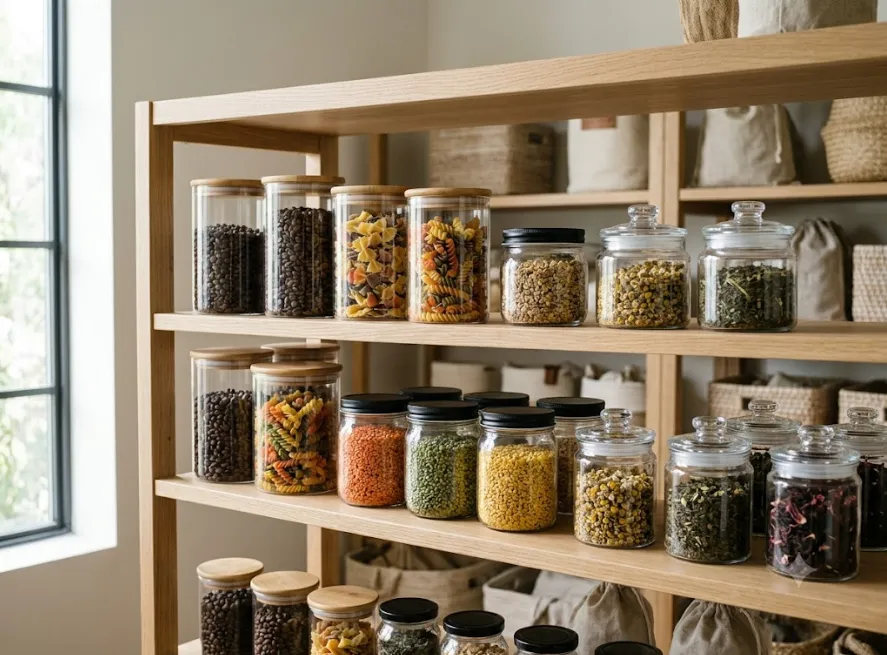
3. Glass Lids: The Epitome of Purity and Visual Continuity
For brands seeking an uncompromised, high-end presentation, glass-on-glass packaging represents the pinnacle of sophistication. A glass lid maintains complete visual continuity with the jar body, creating a seamless, crystal-clear aesthetic.
•Chemical Inertness and Purity: Glass is completely non-porous, inert, and free from leaching chemicals or odors. It ensures that sensitive products—ranging from gourmet foods to luxury cosmetics—retain their pristine purity over time.
•Easy Maintenance: Glass lids are dishwasher-safe, highly resistant to staining, and will never rust, warp, or absorb food odors, offering exceptional longevity.
•Functional Considerations: Glass is inherently heavier and more fragile than bamboo or metal. To achieve airtightness, glass lids typically rely on a silicone ring or a wire-bail clamp mechanism. They are best suited for tabletop display, premium gifting, or stable household environments rather than rugged transit.
4. Comparative Analysis for B2B Procurement
To make an informed purchasing decision, B2B buyers should evaluate how each lid type aligns with their specific application, target market, and operational constraints.
Lid Material | Primary Aesthetic | Sealing Mechanism | Ideal Applications | Key Advantages | Potential Drawbacks |
Bamboo | Natural, Minimalist | Silicone Gasket (Friction fit) | Dry food storage, spices, cotton pads, candles | Eco-friendly appeal, warm texture, lightweight | Susceptible to moisture if unsealed; requires careful QC |
Metal | Industrial, Sleek, Branded | Screw threads, Lugs, or Gaskets | Canning, honey, liquids, cosmetics, bulk storage | High durability, excellent liquid seal, highly customizable | Risk of rust if low-grade; can dent upon impact |
Glass | Premium, Seamless, Crystal-clear | Ground glass joint, Gasket, or Clamps | Gourmet spices, premium tea, luxury cosmetics, display jars | 100% inert, elegant continuity, easy to sterilize | Heavier shipping weight; higher fragility risk |
5. Regulatory Compliance and Food Safety Standards
Regardless of whether you choose bamboo, metal, or glass lids, verifying regulatory compliance is non-negotiable for B2B importers. Because lids frequently come into direct contact with food contents or consumables, they must meet rigorous international safety benchmarks.
•FDA Regulations: For products destined for the United States, materials must comply with FDA food-contact guidelines, ensuring that no harmful substances migrate from the lid, coatings, or silicone gaskets into the stored goods [4].
•LFGB Standards: For the European market, German LFGB standards represent the gold standard of safety testing, rigorously evaluating chemical migration, odor, and taste transfer [5].
•Silicone Gasket Quality: The silicone ring providing the airtight seal must be 100% food-grade, BPA-free, and heat-resistant. Cheap rubber substitutes can degrade over time, imparting unwanted odors to the contents.
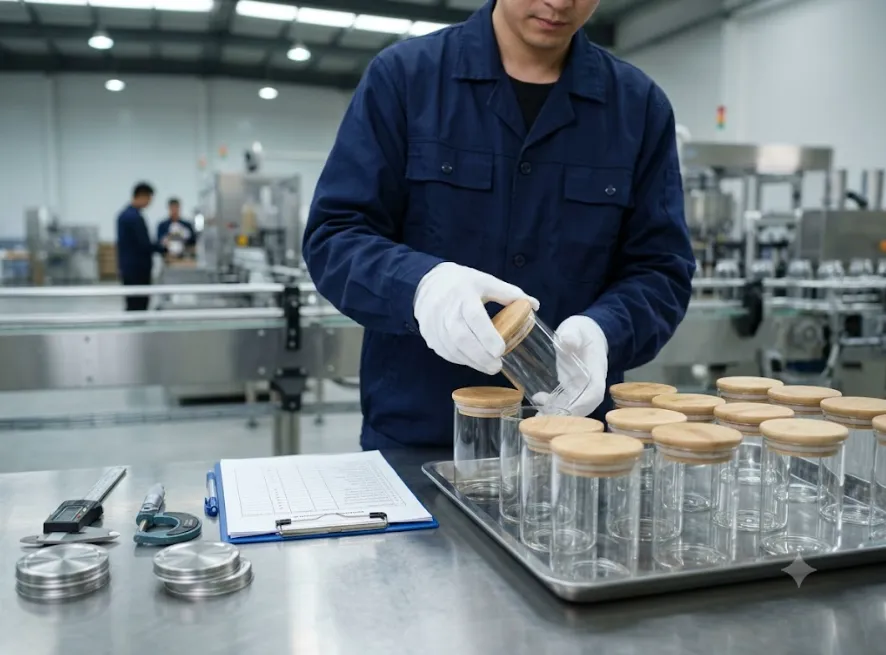
6. Strategic Sourcing: Matching Lids to Market Demands
Choosing the right lid is ultimately about matching your product's functional requirements with your target demographic's preferences. A gourmet honey brand requires a completely different closure solution than a modern home organization startup selling pantry storage sets.
Furthermore, packaging weight directly influences international shipping costs and carbon footprints. While glass lids add premium weight, bamboo and aluminum lids offer lighter alternatives without sacrificing perceived value. Working with a versatile manufacturing partner allows you to test various combinations and secure customized closures that elevate your product line.
At KINGSTAR GLASSWARE, we understand that every detail matters in international trade. As a leading manufacturer and exporter of comprehensive glassware solutions—including diverse Glass Jar designs, Glass Storage Jar collections, and specialized Glass Spice Jar sets—we offer a wide array of precision-engineered lid options. Whether you need the sustainable warmth of bamboo, the industrial reliability of metal, or the crystal purity of glass lids, our manufacturing excellence ensures airtight performance, strict food-safety compliance, and flawless aesthetic execution.
Ready to enhance your wholesale glassware offerings with the perfect lid solutions?
Contact KINGSTAR GLASSWARE today to request samples, explore our customizable catalog, and partner with a manufacturer dedicated to your brand's success.
References
1.Towards Packaging: Glass Market Size and Trends 2035
2.Jasion Houseware: Are Bamboo Lids Worth It? Weighing the Pros and Cons
3.Alibaba LifeTips: Glass Containers vs Bamboo Lids: Do They Seal Freshness?
4.U.S. Food and Drug Administration (FDA): BAM Chapter 22B: Examination of Glass Containers for Integrity
5.Heal Nourish Grow: Glass Food Storage Containers with Glass Lids: Non-Toxic Guide
For more information on our products and quality standards, please visit our website at WWW.KINGSTARLIVING.COM.
Frequently Asked Questions (FAQ)
Which lid material provides the best airtight seal for long-term food storage?
Metal lids, particularly those with screw threads, lug designs, or secure rubber gaskets, generally provide the most robust and airtight seal for long-term storage, canning, and liquids. Bamboo and glass lids rely heavily on integrated silicone gaskets to achieve airtightness; while excellent for dry goods and pantry organization, metal is often preferred for vacuum or moisture-sensitive contents. KINGSTAR GLASSWARE offers high-sealing lid options across all material types to suit your specific storage needs.
2. Are bamboo lids prone to mold or warping during ocean shipping and storage?
Unsealed or poorly manufactured bamboo lids can be susceptible to moisture, leading to mold or warping during humid ocean transit. To prevent this, professional manufacturers treat bamboo with food-safe sealants, ensure thorough kiln-drying before assembly, and use robust packaging with desiccant protection. KINGSTAR GLASSWARE implements strict moisture-control protocols during manufacturing and packaging to ensure pristine bamboo lids upon arrival.
3. How does KINGSTAR GLASSWARE ensure food-safety compliance for glass jar lids?
KINGSTAR GLASSWARE ensures complete food-safety compliance by sourcing only certified food-grade materials for all lid components, including stainless steel, treated natural bamboo, and BPA-free silicone sealing rings. Our products undergo rigorous testing to meet international standards such as FDA and LFGB requirements, ensuring that no harmful chemicals or odors leach into your products. We provide full documentation to give our B2B partners total peace of mind.
Recently Posted
-
Glass Water Bottle Sourcing Guide: What B2B Importers Need to Know
August 27, 2026The first time a retail buyer told me she was replacing her entire water bottle range, I assumed it was about price.It wasn't.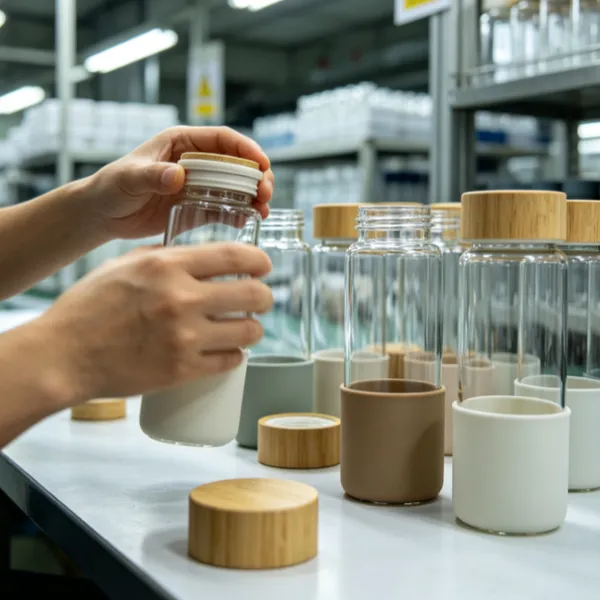 Read More
 -
Glass Oil Dispensers Are Having a Moment — What B2B Buyers Need to Know
August 26, 2026We used to think oil dispensers were boring. A bottle with a spout — what's there to get excited about?Then we started paying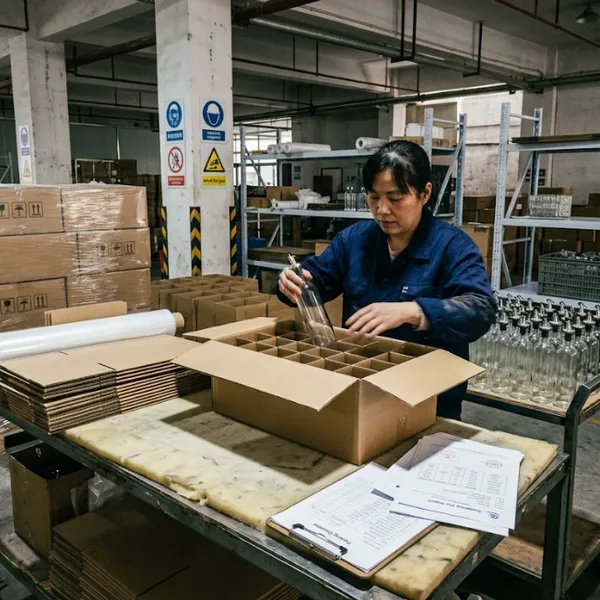 Read More
 -
How to Choose the Right Glass Spice Jar Supplier for Wholesale Orders
August 12, 2026The first time I watched an importer open a container of spice jars and find 15% of them cracked, I learned something that stuck w Read More
 -
The Science of Borosilicate Glass Food Containers: Why Thermal Shock Resistance is Key for B2B Procu
July 6, 2026(Key Takeaways)•Borosilicate vs. Soda-Lime: Borosilicate glass offers superior thermal shock resistance and chemical stability com Read More

Contact Us
Recommended Products
-
 Glass Flower Vases Wholesale – Bulk Decorative Vases for Distributors & Importers From KINGSTAR GLASSWAREUS$ 5MOQ: 1000 Pieces
 -
Big Glass Candy JarUS$ 0.4 - 0.8MOQ: 20000 Pieces
-
Big Glass DispenserUS$ 0.4 - 0.8MOQ: 20000 Pieces
-
Good Glass Storage JarUS$ 0.4 - 0.8MOQ: 20000 Pieces
-
Glass Fish BowlUS$ 0.4 - 0.8MOQ: 20000 Pieces